
From One-Shots to Series: Retaining Readers in Romance IF
Retention in romance interactive fiction depends on episodic pacing, consent-forward cliffhangers, satisfying progression, and smart recommendations that spark the next read.
Why Romance IF Retention Breaks (and How Series Thinking Fixes It)

Romance interactive fiction has a unique retention problem: readers arrive for a very specific vibe—“K‑drama contract romance,” “enemies-to-lovers AU,” a favorite fandom—and bounce fast if the story doesn’t deliver that promise within minutes. For YamStudio-style catalogs, reader retention isn’t just about time-on-page; it’s about repeatedly matching mood, trope, and tone so a one-shot session becomes a habit.
The shift from one-shots to a romance series mindset helps because it reframes the product: each episode is a satisfying unit, but also a doorway to the next moment of emotional payoff. This is where episodic storytelling meets product strategy—not by forcing cliffhangers everywhere, but by creating predictable cadence (new chapters, new worlds, and clear “what’s next” signals) that makes returning feel effortless. When discovery is metadata-powered, the series loop extends beyond a single title into a whole library of adjacent stories, fandoms, and tropes.
Episodic Levers: Cadence, Consent-Respecting Cliffhangers, and Progress That Feels Romantic
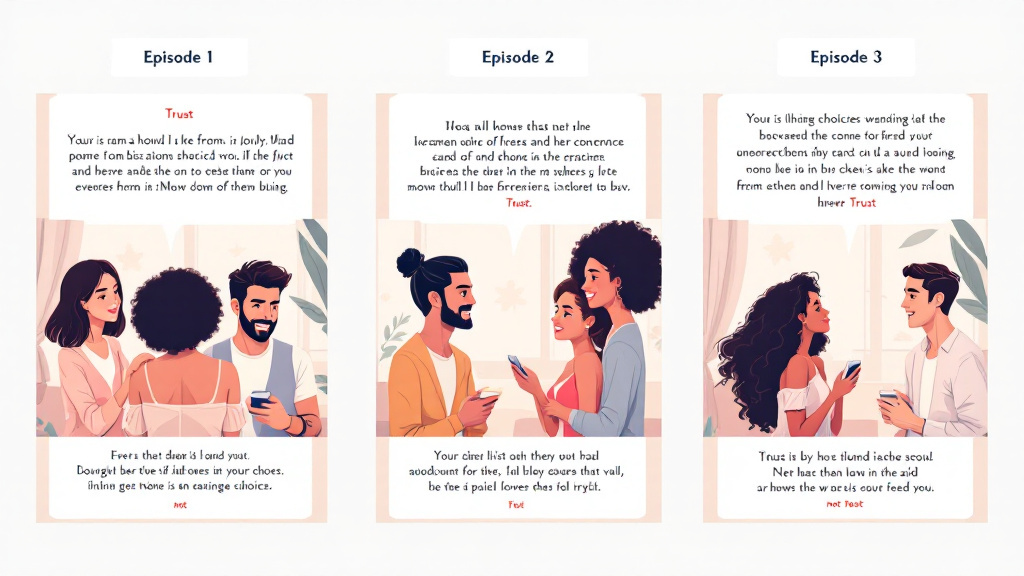
Great episodic storytelling in romance IF hinges on rhythm. Aim for chapters that reliably deliver a beat: chemistry, tension, a choice that matters, then a payoff (even if small). Cadence is also operational—publish schedules, “New” rails, and clear season/episode labeling reduce decision fatigue and support reader retention by making return visits feel rewarding.
Cliffhangers work best when they respect consent and agency. Instead of trapping readers in discomfort, end episodes with intriguing, opt-in questions: a message arrives, an ex appears, a secret is revealed—then give the player control over the next move early in the next chapter. This keeps suspense romantic rather than manipulative.
Progress systems should feel like intimacy, not points. Use relationship meters sparingly or hide the math behind meaningful descriptors (e.g., “Trust is growing,” “Walls are up”). In a romance series, readers want emotional continuity: callbacks, evolving dynamics, and choices that echo later. That’s retention by resonance, not gamification.
Measure Drop-Off, Then Drive the “Next Best Read” with Smart Recommendations

Retention improves fastest when you can see where readers leave. Track funnel points like: story card click → chapter 1 start → first choice made → chapter complete → next episode start. In romance IF, the highest drop-offs often cluster around slow openings, unclear stakes, or choices that feel cosmetic. A practical product strategy is to instrument “time to trope” (how quickly the story delivers the promised fantasy) and “time to agency” (how soon a meaningful choice appears). Pair this with lightweight surveys (“Did this match your vibe?”) to connect quantitative drop-off with qualitative mismatches.
Then close the loop with recommendations designed for bingeable discovery. When a reader finishes (or abandons) a world, offer a “Next best read” rail based on metadata: trope adjacency (contract romance → fake dating), tonal similarity (angsty → melodrama), and fandom overlap. Add re-entry recaps (“Previously…”) and a persistent “Continue” shelf so returning is one click.
Done well, a library of worlds becomes a library of momentum—turning one session into a season’s worth of romance.